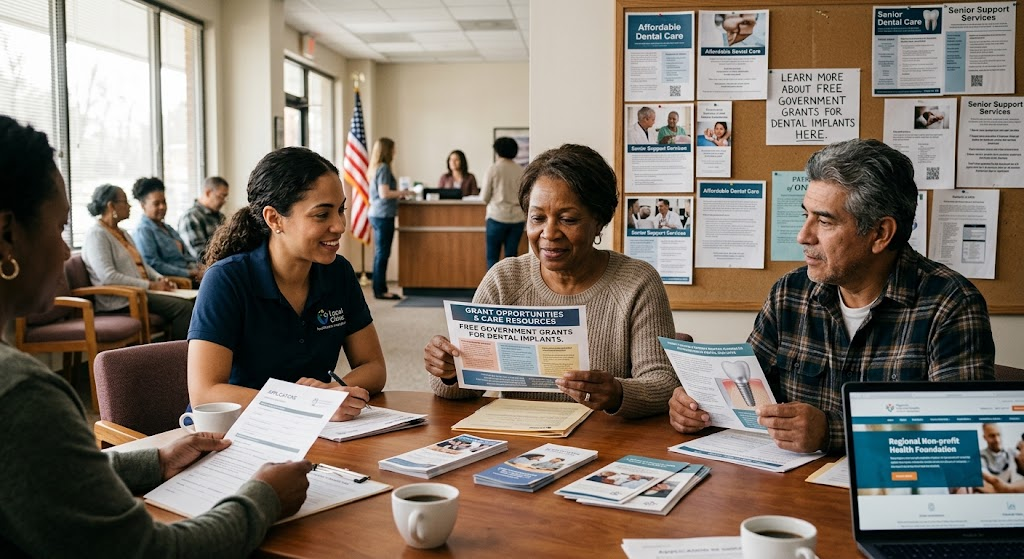
Finding out you need a new tooth can be scary, especially when you look at the price. Many people search for free government grants for dental implants because regular dental care costs a lot of money. When you lose a tooth, it can change how you chew your food and how you smile at your friends. You might feel shy or try to hide your mouth when you laugh. Dental implants are strong artificial roots that hold fake teeth in place. They look and feel just like real teeth. Sadly, standard insurance plans rarely pay for these procedures. That leaves many families wondering if any financial aid programs exist to help them out.
Understanding How Dental Grants Actually Work
When people hear the word grant, they usually think of free money for college or starting a business. A dental grant works in a somewhat similar way because it is money you do not have to pay back. However, finding free government grants for dental implants directly from federal agencies can be tricky. The government rarely hands out direct cash checks to individuals for elective dental surgery. Instead, financial help often comes through specialized non-profit programs, community health centers, or state-funded health initiatives. Think of these programs as a partial scholarship for your oral health. They might cover a percentage of your total bill rather than the entire cost.
The Reality of Direct Federal Funding
It is important to be realistic about what federal agencies can do for your smile. Many online rumors suggest that the federal government offers free government grants for dental implants to anyone who asks. In truth, programs like standard Medicare usually do not cover routine dental work or implants. Medicaid rules change depending on which state you live in, and most states only offer very basic emergency dental care for adults. Because of these strict limits, you will want to look beyond federal websites. Knowing where to search can save you a lot of time and spare you from misleading online claims.
Exploring Community Health Centers for Help
Even though direct federal cash is rare, the government does fund local health clinics across the country. These community health centers receive federal support to provide medical and dental care to people with low income. While they might not always perform complex implant surgeries on-site, they can offer routine care on a sliding scale fee. This means your bill adjusts based on how much money you make. Getting your basic teeth cleanings and cavity fillings done cheaply at these clinics is a smart first step. A healthy mouth is always required before any dentist will even consider placing an implant.
Look Into State-Specific Assistance Programs
Some individual states have unique programs that help residents pay for major medical and dental needs. For example, certain state departments of human services offer medical assistance plans that stretch to cover restorative procedures for qualifying individuals. You can check with your local state health department to see if they list any active programs related to free government grants for dental implants or regional care. Local state university dental schools are another fantastic resource. Dental students perform surgeries under the close watch of expert teachers, offering deeply discounted rates on advanced procedures like implants.
Dental School Clinics and Reduced Rates
If you want affordable care, local dental training universities should be high on your list. Schools of dentistry often run public clinics where future dentists gain hands-on experience. Because students are doing the work, the prices can be a fraction of what a private office charges. Some university clinics even sponsor special grant funds or reduced-fee programs for single-tooth replacements and denture-stabilizing implants. You might have to wait a little longer for an appointment, but the money you save can be truly life-changing. It is a win-win situation because you get cheap care while students learn their craft.
Charitable Foundations and Non-Profit Grants
Beyond public options, several non-profit groups offer financial support for dental restorations. Organizations like the Cosmetic Dentistry Grants program and various regional foundations provide partial financial assistance to help people fix broken or missing teeth. These groups usually work with a network of approved private dentists. If you get chosen, the grant money goes straight to the dental office to lower your total bill. You will still need to show proof of your income and demonstrate that you are healthy enough to handle oral surgery.
Meeting the Strict Eligibility Requirements
Qualifying for dental financial aid takes patience and paperwork. Most organizations look closely at your household income to prove financial hardship. They also check your overall physical and oral health. If you smoke or have uncontrolled health issues like diabetes, an implant might not fuse correctly to your jawbone. Dentists need to make sure your jaw has enough bone density to support the metal post. If your bone is too thin, you might need a bone grafting procedure first, which adds extra steps to your overall treatment plan.
Step-by-Step Tips to Apply for Assistance
Applying for financial help requires careful organization. First, gather all your recent pay stubs, tax returns, and proof of any public assistance you currently receive. Next, search online for local non-profit dental charities or call your community United Way office at 211 to ask for local clinic referrals. Fill out every application form completely and honestly. Keep track of deadlines and respond quickly if a coordinator asks for more documents. Being organized shows that you are serious about taking care of your health, which helps your chances of getting approved.
Alternative Ways to Pay for Implants
If you do not qualify for a grant, do not give up hope just yet. Many private dental offices offer flexible monthly payment plans with low interest rates. Medical credit cards can also help break down a large bill into smaller chunks that fit your monthly budget. Some patients choose to save money over time or ask family members for small contributions toward their health. Talk openly with your dentist about your budget constraints. They want to help you find a practical solution so you can eat comfortably and smile proudly again.
Conclusion
Replacing a missing tooth is important for your overall health and daily confidence. While tracking down free government grants for dental implants takes effort due to strict rules and limited direct funding, other great options exist. From community health clinics and dental school programs to non-profit aid foundations, help is out there if you know where to look. Take the first step today by calling a local clinic or checking out a community assistance program. What steps are you planning to take first to start exploring your dental care options?
Frequently Asked Questions
Are there actual free government grants for dental implants?
Direct cash grants from the federal government for dental implants are rare. Most financial help comes through state programs, community health centers, or private non-profit dental grants.
Does regular health insurance cover dental implants?
Most standard health insurance and basic dental insurance policies view implants as cosmetic procedures and do not cover their cost. However, some insurance plans might cover a small part of the crown or necessary extractions.
How can low-income adults get affordable dental care?
Low-income adults can look for federally qualified community health centers, state Medicaid programs, local charity clinics, or university dental school programs that offer sliding-scale fees.
Do dental school clinics offer cheaper implants?
Yes, dental schools often provide heavily discounted rates on major procedures like implants because student dentists perform the work under the supervision of licensed experts.
What do I need to qualify for a dental grant?
Most grant programs require you to prove financial need, show that your mouth is healthy enough for surgery, and prove that you can pay for any remaining uncovered costs.
Can I get my implants entirely for free?
Getting implants 100% for free is very rare. Most grants and assistance programs provide partial coverage or discounts that lower the overall price rather than paying the total bill.
